“I wish I could write as mysterious as a cat.”~Edgar Allan Poe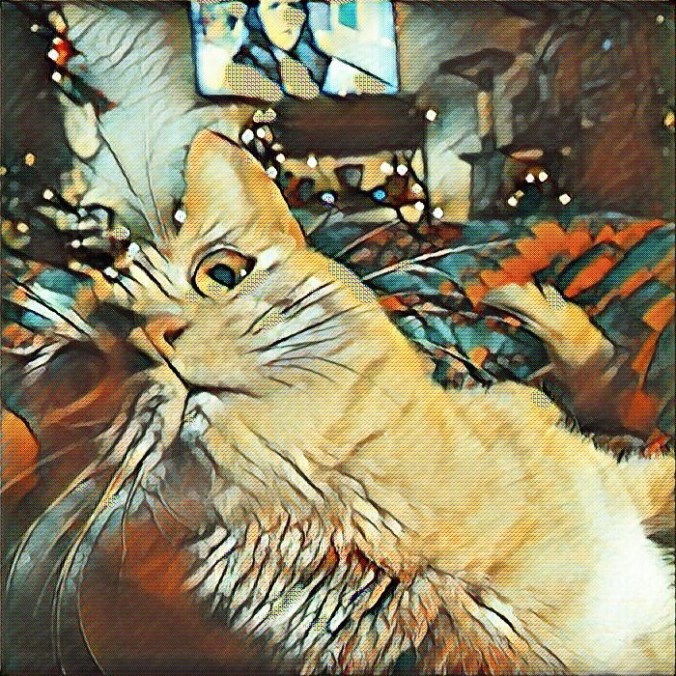
Month: February 2017
Acrostic

Clothing Is a Paradox
Cotton is my preference, but knits will do
Lingerie not really my cup of tea
Overly sexy attire, at 60 who really cares.
The styles have changed dramatically in my life
Hippie to conservative and back, always something passé
In every color under the sun, the brighter the better.
Nothing ever leaves my closet because
Ghastly styles have a knack for returning!
Interesting footwear from pointed toes to square but
Shoes for me are always flats coordinated I’m not.
Ankle length dresses are definite, who wants to see these legs!
Pretty floral in bright colors are my first choice
Artfully displayed on simple cotton
Retro tie dyes or bold colors, I love the wicked bright choices
Arms covered are a must, only me sees those jiggles
Decorative trims are not necessary, comfort is a must
Occasionally a piece of lace to remind me I am a girl.
X-factor of clothing makes each piece unique
5 simple ways to keep procrastination at bay
I’m guilty of seeking perfection and often feel overwhelmed.


When we want to get things done, it’s amazing how human mind can get creative and tricks us into any number of reasons of why not doing something. Excuses simply pile up and convince us why we should wait for some perfect conditions in order to get things done.
So lets approach this problem from other perspective. We often blame our procrastination habits for not having things done, but we can ‘take the bull by the horns’ and resolving those mental barriers.
The first step in this process is to identify which type of procrastinator are you. In this article they suggest there are 5 types:
The Perfectionist
This procrastinator is trying to avoid being embarrassed by mistakes or judged. They may spend too much time on one component of a project, failing to manage their time properly, or avoid the project altogether, then rush to finish it at the last…
View original post 692 more words
Finding Your Garret
Flexibility helps the muse regenerate.


by Samantha Fenton
Garret: a top-floor or attic room, especially a small dismal one (traditionally inhabited by an artist).
I once read a book on writing which mentioned “finding a garret.” I had not heard this term before, and didn’t quite know exactly how it related to writing. But the book had explained it as an area a writer can go to write perfectly uninterrupted and at peace. It’s a place where you can get mass amounts of writing done without distraction, it’s a place that’s comfortable and a generally nice spot to be at.
View original post 643 more words
Frozen Tears ~ #DailyHaikuChallenge #poetry
The combination of photo and poetry compliment each other perfectly. This is exemplifies my blog post yesterday about photography and poetry fulfilling a readers enjoyment of mixed media.


A moment frozen
Covered in icicle tears,
Will soon melt away
Should you like to participate in the challenge, simply link back to Morgan’s first post found HERE
Day 95/365
©Dorinda Duclos All Rights Reserved
Photo via Pixabay CC0
Photography and Poetry
Have you noticed how frequently poetry and photography appear together on the web. Poetry creates imagery. Juxtaposition of a photo can add dimensions to that image, much as words can add dimensionality to a photo. I remember my fourth-grade teacher stressing the importance of dotting my i’s and crossing my t’s and punctuation as the key to successful writing. Focusing on mechanics, she didn’t mention the importance of stimulating the reader’s mind. Mixing media offers more possibilities and reaches more people. Some will be pulled in by the picture and stay to read the poem.
Line placement matters when combining the two mediums. In photography, if your visual line begins at the center of your picture every time, it screams amateur. In poetry, if every style was identical it would also scream amateur and boring. I’ve discovered photographs have stronger composition if my visual leading line is clear. This is important in poetry too!
“Making use of lines in photography is a photographic composition technique used by many professional photographers, and for good reason. Lines – also referred as “Leading Lines” – can be used to lead the eye to the point of interest and prevent the eye from wandering. Lines put emphasis on distance or illustrate a relationship to the foreground and background elements. Keep in mind that using lines incorrectly can have the opposite effect and lead the eye away from the point of interest.”[i] Another key thing in a photograph is the rule of thirds because you want to provide visual balance.
“Vertical lines can suggest dominance, power, and growth. Some excellent examples include tall structural designs and trees. Horizontal lines can suggest peace, calmness and a sense of restfulness. Some prime examples include fallen trees, the ocean, beaches, and horizons. Diagonal lines can suggest action, stimulation, and depth. The use of diagonal lines can help draw the eye through a photo. “
Poetry makes use of lines in a similar fashion with content placement. “A line is a unit of language into which a poem or play divided operates on principles distinct from and not necessarily coincident with grammatical structures, such as the sentence or single clauses in sentences.” A line break is a poetic device used at the end of a line and the beginning of the next line in a poem. If employed without traditional punctuation it can be described as a point a line is divided into two halves at the end of a line.[ii] These lines direct the reader the same as a photographer does in a photograph.
Poetry lures the viewer with imagery suggesting a peaceful or calm setting or strikes with inflammatory insight. Your word choices and the line flow make or break a work. The reader needs time to what is written. Like pictures, some poems seize the reader with the feel of a tidal wave. Poems and pictures have details and nuances that require time to sense, absorb and understand.
Tying both media creates a poet or a photographer’s unique signature.
[i] http://www.brighthub.com/multimedia/photography/articles/959.aspx
Haiku
Hello Day
Fleeting images
like clouds on the horizon
beckon a sunrise
My Writing Inspirations 1
 Writing Inspirations for me:
- A photograph
- A touch gentle or a painful one
- A conversation overheard
- A fragrance whiffling in the air
- A memory recollected
- Titles and subtitles in newspapers and magazines
- An aroma
- A taste savored or hated
- A story I’m reading
- The texture of something
These inspire me differently each time because whatever I’m feeling in that moment impacts my reaction or sensation. We are all blessed with unique skill sets, it’s how we fine tune them in our art that matters.
Consider all the possibilities for this image, the stories will all vary with each telling more unique than the last. Our muses beg to be set free.
Featured Author
Winter Night by Bill Waters
winter night . . .
the hiss of the fire
the sigh of the cat
Published in Brass Bell: A Haiku Journal ( 2/1/17. * * * *
Source: Winter night
 lyncrain